
Raised floor or access floor is a stage-shaped floor that makes elevation on the floor higher. Raised floors are commonly used in spaces for complicated cable, communication, data, and piping installations. This access floor consists of frames and floor panels. Generally, floor panel modules are 60x60 cm in size.
Raised Floor
Broadly speaking, for the framework of almost all raised floors to use galvanized supporting frames. But for fillers on the floor panel, there are 3 kinds of materials used, among others.
Wooden Panel
The first material filler panel for install raised flooring is wooden panel raised the floor, on this panel made from wood particles, a kind of particle board.
Calcium Sulphate
There is also a calcium sulfate raised floor panel, this panel is made of calcium or a type of lime.
Light Concrete
At last, cementitious or raised concrete floor light panels, on this panel made from cement or lightweight concrete. These three materials are often used for filling panels when installing raised floor. Beside that, for finishing on the raised floor surface is divided into two types, namely;
Bare Type
The raised floor is bare or plain type, this type of floor panel uses metal for office interior needs in office areas, corridors, and lobbies. Generally, using carpet tile or vinyl tile as a finishing floor.
HPL Type
Raised floor type HPL, the panel has been coated with anti-static vinyl material so it doesn't need to be finished again, so it's ready to use. Install raised flooring of this type is widely used for the needs of the data center or in the IT room.
Main Reason Install Raised Flooring
Why you should use a raised floor in residential areas, especially office buildings? Cause there are many reasons that support this, the advantages of using raised floors are that the room looks neat, because all cable installations and complicated pipelines are hidden under the raised floor.
The floor panel on the raised floor can be lifted, so at any time if needed can be lifted, the size of the raised floor is precision and international standard, to install raised flooring is easy and fast because of the knockdown system.
The elevation or height of the floor can be adjusted as needed, can be dismantled and then reassembled in another room or place. And besides that, it plays an important role in air circulation for air conditioners using the downflow system.
Use of Raised Floor
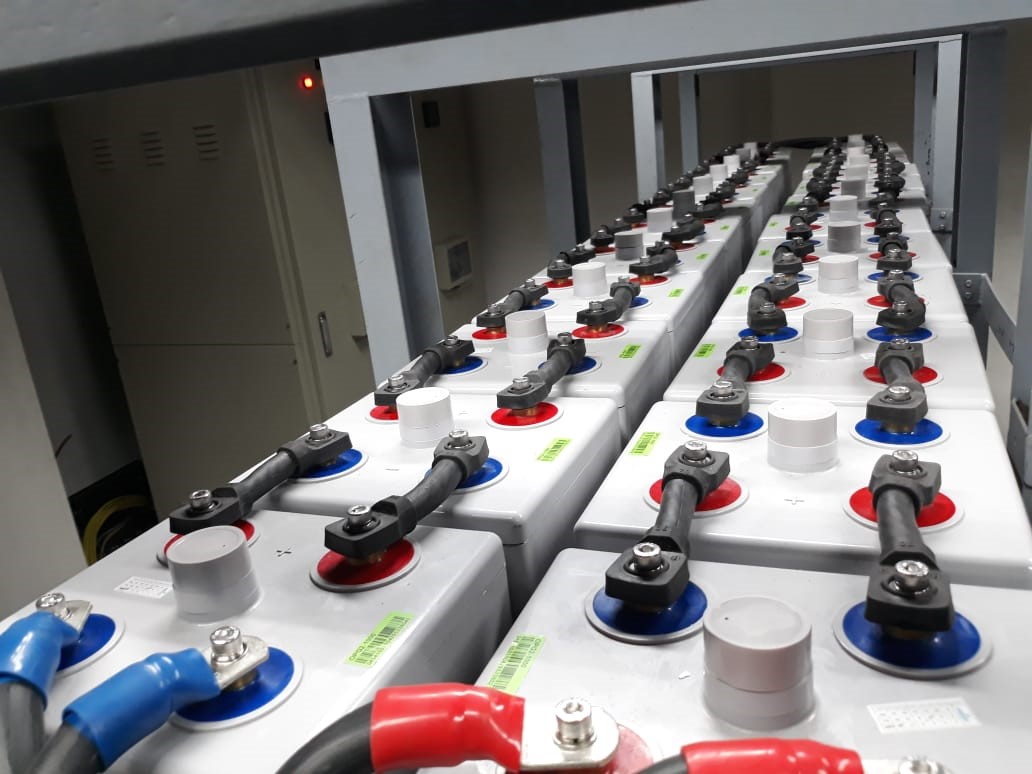
Generally, install raised flooring is used to elevate the room where there are many cabling, piping, and control systems, such as Data Centers, Server Rooms or IT Rooms, Control Rooms, Power Rooms, and Battery Rooms, Office Areas, Broadcasting Studios, and Laboratory Rooms.
The use of raised floor on the empty space underneath it can be used for various purposes of cabling installation, data communication, piping and also control systems. So that the room looks neat. In addition, this raised floor which is coated with anti-static vinyl serves to eliminate static electricity in its electronic equipment.
Method Install Raised Flooring
Technical Work for Install Raised Flooring
In install raised flooring, there are several criteria that must be met first, such as the installation carried out when the interior work has been completed on the ceiling, walls, and floors. When installing the floor must be dry and clean.
For piping, cabling, ME and other jobs, this is done before the installation work begins. We recommend that the support height of devices such as servers and others is the same as the Finished Floor Level or FFL on Raised Floor. The conditions in the field have electricity available at 220v / 50Hz and clean water.
Equipment Needed
Actually, the raised floor installation is not too complicated, because as it is known the raised floor consists of three components Panel, Pedestal, and Stringer. Before installation must be prepared in advance aids consisting of meter, screw, drill. Professional cutting machine or Jigsaw, Waterpass, Tile Lifter, Wrench, Screwdriver and Cleaning Equipment such as brooms, mops, and others.
Installation Stages
First Re-Check
Re-check dimensions in rooms with approved layout drawings. If there are differences between the approved images and the field conditions, pre-approval is needed. If the picture and the condition of the room are suitable, then the room for the raised floor has been closed or is already in the finishing stage of the flange work, the walls and the floor or ceramic are smooth.
Marking
Marking on the wall to install raised flooring to determine the height of the raised floor panel and make sure the floor must be clean and free of dust. Then do the position of the installation start point. After that, the raised floor pattern was made. With a shape of 60x60 cm to determine the position of the next pedestal.
Installing Pedestal Base
Installation of base pedestal according to the pattern in the previous stage, pedestal installation is done using epoxy glue. If there is a side area adjacent to the wall there is a gap that requires cutting the Raised Floor panel. To install a Raised Floor panel using tile lifter.
Re-checking
Re-checking the Raised Floor level panel, if the panel is not yet level, an adjustment will be made to the Raised Floor pedestal. If the device will be loaded, use a multiplex board with a minimum thickness of 18 mm and an iron pipe so that the load on the device can be distributed properly.
These are a few things that you should pay attention when install raised flooring, example determining the starting position of the initial mounting pattern is very important because later if there is a cable tray the position will be in line with the raised floor mounting pattern. After all the panels have been installed, the next is cutting the raised floor panels needed to follow the pattern of the room. And when raised surface leveling, use a waterpass.
That's the things about raised floor and how to install raised flooring in stages, and some things that need to be done during installation.